13 weeks ago · The daily matchup
Star-Nosed Mole vs Mantis Shrimp vs Bombardier Beetle: A Nose That Sees, a Fist That Boils Water, and a Butt That Shoots Boiling Acid
A blind mammal that eats faster than you can blink, a shrimp that punches at handgun speeds, and a beetle running a chemical reactor in its abdomen. Three creatures, three felonies against good taste, one winner.
By someone who loves to compare irrelevant things · 5 min read

⭐Star-Nosed Mole
Condylura cristata
The getaway driver who reads the road with his face in the dark.
- CoolDetect-to-swallow time: ~120 ms
- WeirdEimer's organs on the star: 25,000+
- WeirdNerve fibers in the nose: 100,000+
- GrossDaily food intake: Over half its body weight
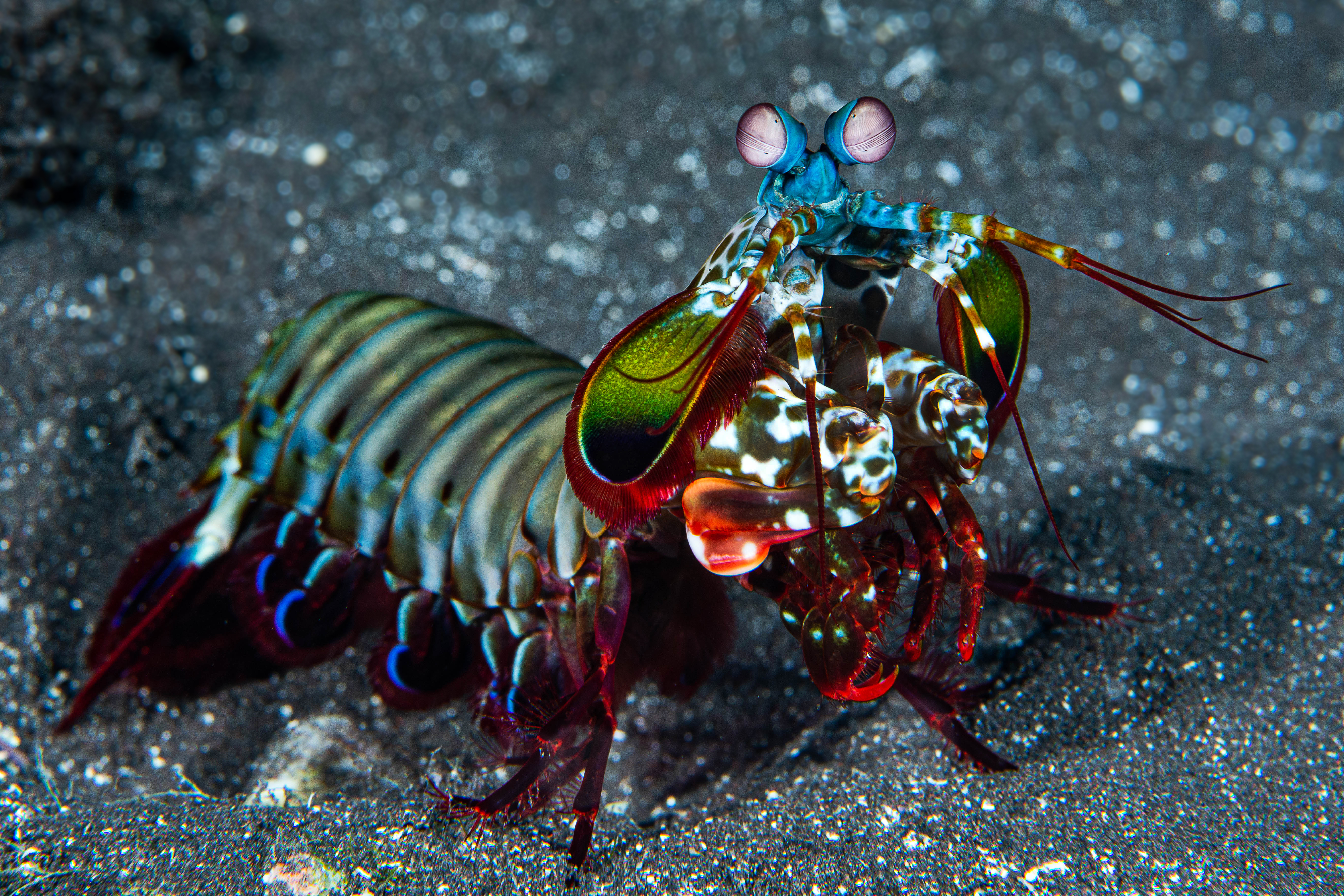
🦐Peacock Mantis Shrimp
Odontodactylus scyllarus
The muscle. Throws hands so fast the water boils out of spite.
- CoolPunch speed: 50+ mph
- CoolStrike duration: Under 80 microseconds
- WeirdPhotoreceptor types: Up to 16 (you have 3)
- GrossCavitation side effect: Boils water, second shockwave
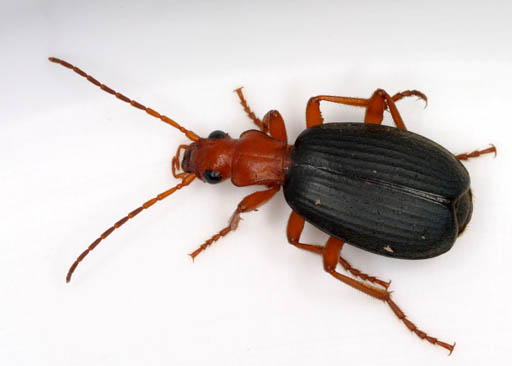
🪲Bombardier Beetle
Brachinus sp.
The demolitions guy. Builds a bomb in his own butt and lights it on demand.
- GrossSpray temperature: ~100 C (212 F)
- WeirdSpray pulse rate: Up to 500 per second
- CoolShots before reload: 20-30
- GrossActive ingredients: Hydrogen peroxide + hydroquinone
I went looking for three animals with nothing in common and accidentally assembled a heist crew. The getaway driver is a mammal who is functionally blind but reads the world by touch in 120 milliseconds. The muscle is a six-inch crustacean that throws the fastest punch on Earth and boils the water around its own fist while doing it. And the demolitions expert is a beetle that mixes two chemicals in its rear end to fire near-boiling caustic spray at 500 pulses per second. Mammal, crustacean, insect. Land, sea, and the underside of a rotting log. Absolutely nothing ties these three together except that all of them would lose their minds if they ever met, and that I have decided to judge them on the only metrics that matter: cool, weird, and gross. Let's ruin some afternoons.
The cool factor: speed, punches, and a sensory cheat code
Let's start with the mantis shrimp, because it is the closest thing the ocean has to a loaded gun. The peacock mantis shrimp throws its raptorial club at over 50 mph, accelerating with forces in the ballpark of a .22 caliber bullet, and the whole strike is over in under 80 microseconds. That is roughly 50 times faster than you can blink. The club hits with around 1,500 newtons of force, which for a palm-sized animal is genuinely deranged.
The star-nosed mole is cool in a quieter, nerdier way. It holds the record as the fastest-eating mammal known to science, able to detect a morsel, decide it is food, and eat it in as little as 120 milliseconds. It is essentially playing the world's fastest game of whack-a-mole, except it IS the mole, and it always wins.
The bombardier beetle's cool stat is logistical: a single beetle can fire 20 to 30 times before it runs out of ammo, aiming forward over its back, sideways, and even between its legs. It is a turret. A tiny, furious, swiveling turret.
The weird factor: the nose that sees and the eyes that break physics
Now we get strange. The star-nosed mole's face ends in 22 pink fleshy tentacles studded with more than 25,000 Eimer's organs wired to over 100,000 nerve fibers - more than five times the nerve endings in the entire human hand, all crammed onto a snout smaller than a fingertip. Over half its brain is dedicated to processing what that star feels. It does not see prey so much as touch-read it at a speed that should be illegal. It can even smell underwater by exhaling bubbles onto objects and re-inhaling them.
The mantis shrimp answers with eyes mounted on independently swiveling stalks carrying up to 16 types of photoreceptors (you have three). It sees ultraviolet, it sees polarized light, and it is the only animal known to detect circularly polarized light. Whatever it is looking at, you cannot imagine it, and frankly neither can I.
The beetle keeps it weird chemically: it stores hydrogen peroxide and hydroquinone in separate chambers, like a two-part epoxy that hates you, and only mixes them at the moment of firing.
The gross factor: boiling chemistry from the business end
Here is where the beetle takes a commanding lead. When threatened, the bombardier beetle slams those two chemicals together with catalysts in a reaction chamber, and the exothermic result reaches roughly 100 C (212 F) - actual boiling - then sprays out in a machine-gun pulse you can hear pop. Predators hate it. Ants and spiders drop it instantly, and frogs that swallow one have been filmed calmly vomiting it back up alive after the spray triggers a gag reflex from the inside. Few animals can claim to win the fight after being eaten.
The mantis shrimp's gross note is the cavitation: its punch moves so fast it rips the water apart into vapor bubbles, and when those bubbles collapse they release a flash of heat and a second shockwave that can finish the prey even if the first hit missed. It is double-tapping a snail with physics.
The mole's contribution to grossness is mostly lifestyle. It eats over half its body weight a day, mostly worms and grubs it shovels into its face in the dark, in 120-millisecond gulps, forever. You know what they say: cool is temporary, but a worm-shaped appetite is eternal.
No serious roundup of beetle-related regret is complete without Charles Darwin, who as a young collector famously popped a beetle into his mouth to free up a hand and immediately regretted it: "it ejected some intensely acrid fluid, which burnt my tongue so that I was forced to spit the beetle out." Historians argue about whether his particular tongue-burner was a true bombardier, but the lesson stands: do not mouth-store the beetles.
And the winner is...
🪲 Bombardier Beetle
The mantis shrimp wins cool outright - nothing punches harder or sees weirder. The star-nosed mole wins weird, because a touch-reading face-star that smells underwater with bubbles is a sentence I cannot believe is real. But the trophy goes to the bombardier beetle, because it is the only contestant that scores in all three categories at once: it is cool (a swiveling 30-shot turret), weird (a two-part chemical weapon assembled on the fly), and historically gross (near-boiling caustic spray at 500 pulses a second, plus the ability to win a fight from inside a frog's stomach). When your defense mechanism is literally running a heat-producing chemical reactor in your abdomen, you have earned the belt. The beetle wins.
You be the judge
Who is your pick?
Vote before you scroll on. No wrong answers (there is one wrong answer).
Questions you're too polite to ask
- Is the bombardier beetle's spray actually boiling?
- Effectively yes. The reaction between hydrogen peroxide and hydroquinone is exothermic and pushes the ejected fluid to around 100 C (212 F), which is the boiling point of water. It is hot, caustic, and delivered in rapid pulses, which is why predators drop the beetle immediately.
- Can the star-nosed mole actually see?
- Barely, and it does not need to. Its eyes are tiny and nearly useless, but its 22-tentacled nose covered in over 25,000 Eimer's organs lets it map the world by touch faster than any other mammal - identifying and eating prey in roughly 120 milliseconds. It is a touch-based animal that lives almost entirely in the dark.
- How fast is a mantis shrimp punch, really?
- The strike clocks in at over 50 mph and completes in under 80 microseconds, with acceleration comparable to a .22 caliber bullet. It is fast enough to boil the water in front of it via cavitation, producing a second damaging shockwave when those vapor bubbles collapse.
Taxonomy & tags
Where the facts came from
- Star-nosed mole - Wikipedia
- The Nose That Sees - Carnegie Museum of Natural History
- Odontodactylus scyllarus - Wikipedia
- Mechanics of Movement: Mantis Shrimp - Patek Lab, Duke University
- Bombardier beetle - Wikipedia
- Bombardier beetles and their caustic chemical cannon - Natural History Museum
- Molecular basis of the explosive defence response in the bombardier beetle Brachinus crepitans - Royal Society Open Science
The peanut gallery
0 comments