13 weeks ago · The daily matchup
Bobbit Worm vs Coconut Crab vs Blue Dragon Sea Slug vs Agile Antechinus: A 10-Foot Sand Bear Trap, a Tree-Climbing Nutcracker That Weighs 9 Pounds, a Grape-Sized Slug That Mugs a Man o' War for Its Weapons, and a Mouse That Has So Much Sex It Falls Apart
A worm, a crab, a slug, and a marsupial walk into a bar. Three of them leave. One of them is legally dead from exhaustion.
By someone who loves to compare irrelevant things · 6 min read

🪱Bobbit Worm
Eunice aphroditois
The buried garden hose that would like to bisect you.
- CoolMax recorded length: 299 cm (nearly 10 ft)
- WeirdAmbush trigger range: 5-10 cm from its antennae
- GrossSignature move: snaps prey clean in half
🦀Coconut Crab
Birgus latro
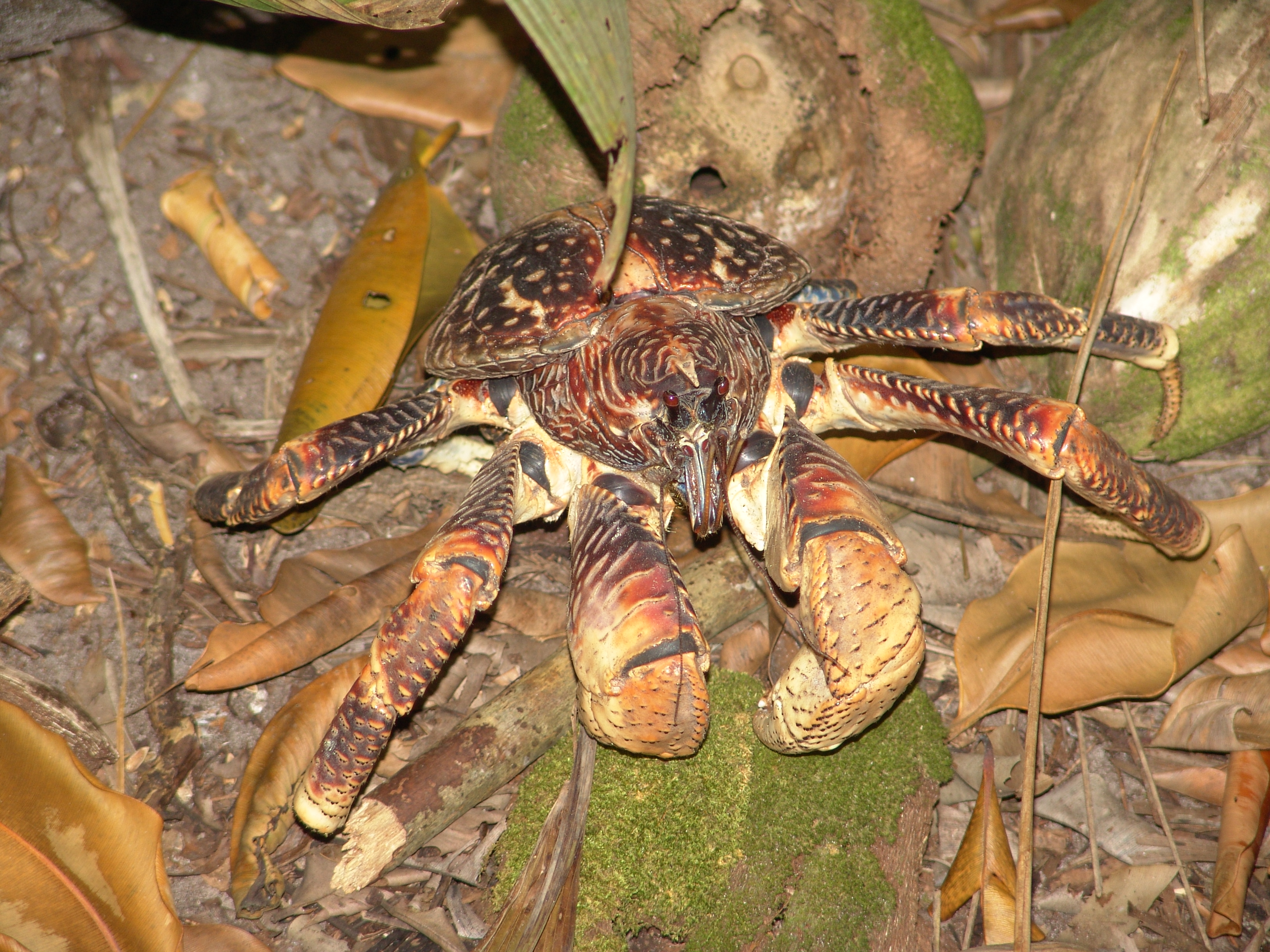
A 60-year-old crab that climbs trees and opens your coconuts uninvited.
- CoolWeight: up to 4.1 kg (9 lb)
- CoolPinch force: ~1,765 N (lion-bite range)
- GrossDiet extras: carrion and the odd bird chick
🐉Blue Dragon Sea Slug
Glaucus atlanticus
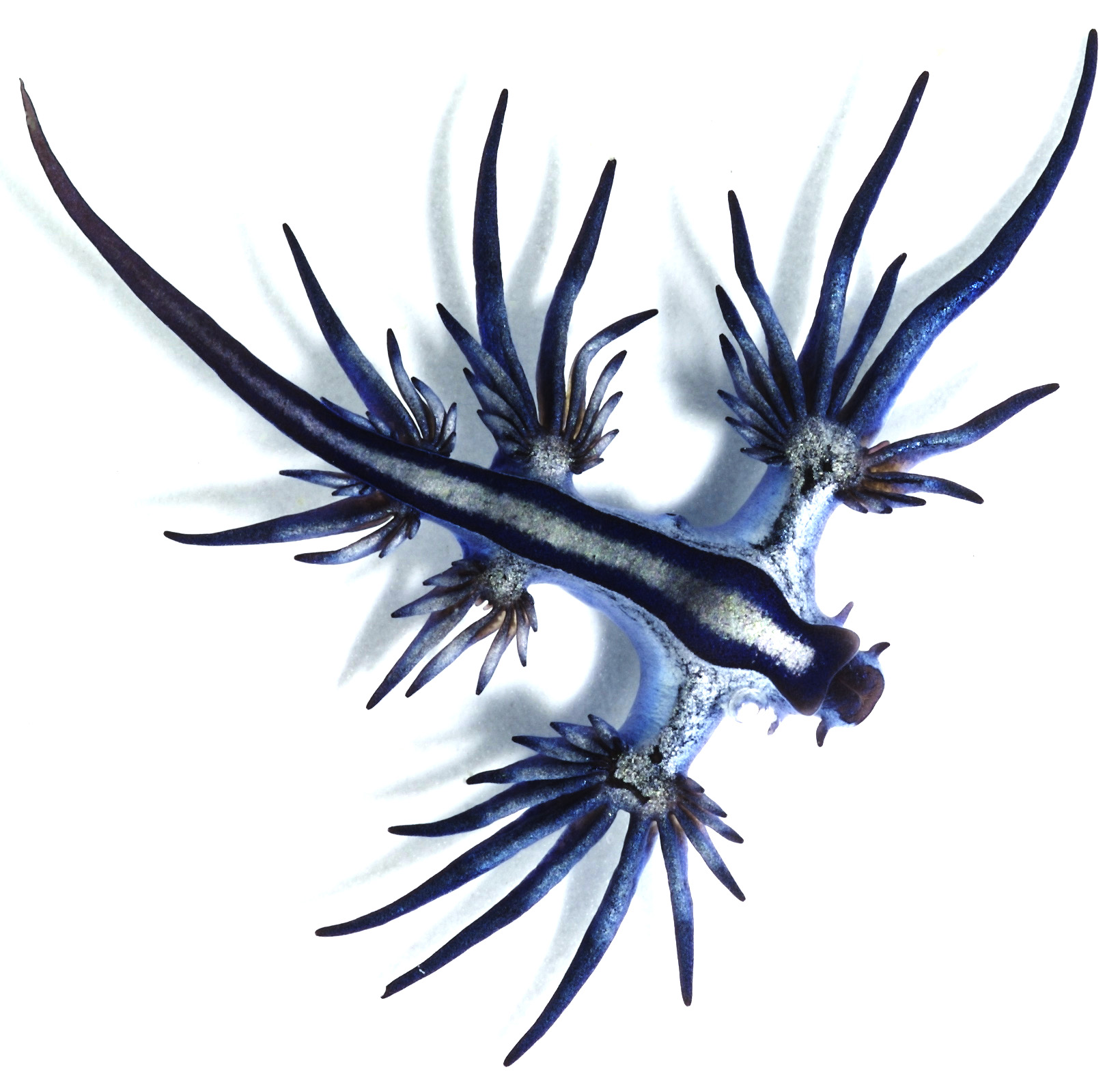
A grape-sized nudibranch that mugs jellyfish for their weapons.
- CoolMax size: around 3 cm long
- WeirdFloating trick: drifts upside down on a stomach gas bubble
- GrossKleptocnidy: steals man o' war stingers, stings harder

🐁Agile Antechinus
Antechinus agilis
A cute marsupial with a one-year plan and a fatal hobby.
- WeirdMale lifespan: roughly one year, once
- WeirdReproductive strategy: semelparity: breed once, then die
- GrossCause of death: stress hormone crash, immune collapse, internal bleeding
Welcome back to the only blog with the courage to make a giant predatory worm compete against a slug the size of a grape and a mouse that peaced out of the gene pool via a two-week bender. Today's roster is a masterclass in nature refusing to pick a lane: a marine polychaete that turned itself into a bear trap, a land crab so big it climbs trees and opens coconuts like a bored uncle, a nudibranch that floats upside down and pickpockets the ocean's most feared jellyfish, and a fuzzy Australian marsupial whose entire life plan is 'have a spectacular amount of sex and then simply cease.' Four animals. Zero shared ancestors this side of the Cambrian. One winner. Let's judge them on the only metrics that matter: how cool, how weird, and how gross.
The Bobbit Worm: a 10-foot ambush buried in the sand
The bobbit worm (Eunice aphroditois) is a bristle worm that buries almost its entire body in the seafloor and leaves five antennae sticking out like the world's most patient landmine. The largest recorded specimen was 299 cm long -- nearly 10 feet -- while being only about 25.5 mm wide. It is basically a garden hose with ambitions.
When a fish wanders within about 5 to 10 centimeters of those antennae, the worm launches its front end out of the sediment and everts a set of scissor-like jaws fast enough that it can snap some prey clean in half. Cool: it strikes with genuinely explosive speed. Gross: the strike sometimes bisects the victim. Fossil burrows from the Miocene of northeastern Taiwan suggest something was doing this exact horrifying move about 20 million years ago, so it is not a phase.
The Coconut Crab: a nine-pound land arthropod that climbs trees
The coconut crab (Birgus latro) is the largest terrestrial arthropod on Earth. It weighs up to about 4.1 kg (9 lb), has a leg span pushing past a meter, and can live up to 60 years, which means somewhere out there is a crab older than your car and possibly your parents' marriage.
It climbs coconut and pandanus trees. It cracks coconuts by targeting the germination pores and worrying them open, then digs out the flesh. Its pinch is no joke -- measured pinch forces run to roughly 1,765 N in large adults, up in lion-bite territory. Weird: it evolved an acute sense of smell that converged with how insects smell, because it left the sea and needed a nose for land. Gross: it is a devoted scavenger and will absolutely eat carrion and the occasional bird chick. A vegan it is not.
The Blue Dragon Sea Slug: a grape that steals weapons
Glaucus atlanticus is a nudibranch that maxes out around 3 cm long and looks like a Pokemon that got approved on the first pitch. It floats upside down at the ocean surface using a gas bubble in its stomach, blue side up for camouflage against the water, silver side down against the sky.
Here is the part that gets it invited to the finals: it eats the Portuguese man o' war. It bites off the venomous tentacles, declines to be killed by them thanks to mucus and a reinforced stomach lining, and then stores the stolen stinging cells in the tips of its own frilly appendages. This is called kleptocnidy, which is Greek for 'I'll be taking that.' Because it concentrates the borrowed venom, a blue dragon can deliver a sting more painful than the jellyfish it robbed. Cool, weird, and gross, all at once: a grape-sized animal that mugs the scariest thing in the water and wears its weapons afterward.
The Agile Antechinus: the mammal that mates itself to death
The agile antechinus (Antechinus agilis) is a small Australian marsupial, cute, mousey, forgettable. Then breeding season arrives and the males lose their entire mind. Mating sessions can run for many hours at a stretch, males stop eating, stop sleeping, stop grooming, and stop making sense.
The stress dumps free corticosteroids into the blood, which crashes the immune system and causes internal hemorrhaging. Every single male dies after the breeding season. This is called semelparity -- reproducing once, then dying -- and it is genuinely rare in mammals. Weird: the entire male population resets to zero every year on purpose. Gross: they essentially disintegrate from exhaustion. The females, meanwhile, can live to three years and get on with their lives, presumably shaking their heads.
And the winner is...
🐉 Blue Dragon Sea Slug
The bobbit worm is the scariest, the coconut crab is the strongest, and the antechinus is the most emotionally devastating. But the blue dragon sea slug wins because it is the only contestant that is cool, weird, AND gross with maximum efficiency per gram. It is 3 centimeters long. It floats upside down. It eats the ocean's most feared drifter, refuses to die from the venom, and then steals that venom to become MORE dangerous than its prey. It is a grape that runs a heist. When a slug the size of a snack out-strategizes a 10-foot ambush worm and a nine-pound tree crab, you have to respect the audacity. Winner, and frankly it should be studied by a think tank.
You be the judge
Who is your pick?
Vote before you scroll on. No wrong answers (there is one wrong answer).
Questions you're too polite to ask
- Would a coconut crab actually beat a bobbit worm in a fight?
- They will never meet -- one lives on tropical islands cracking coconuts and the other is buried in tropical seafloor waiting to bisect fish. But for entertainment purposes: on land the crab wins by default because the worm cannot survive there, and underwater the worm has home-field advantage and jaws that snap prey in half. This is why we judge on cool, weird, and gross instead of a cage match nobody could referee.
- Is the blue dragon sea slug dangerous to humans?
- Yes, disproportionately so. Because it concentrates stolen nematocysts from the Portuguese man o' war, picking one up off a beach can deliver a painful sting with symptoms like nausea and vomiting. It is beautiful, it is tiny, and it is armed. Admire it, photograph it, do not pick it up.
- Do all male antechinus really die after mating?
- Yes. In antechinus species the entire male cohort dies off after their single breeding season, driven by a collapse of the corticosteroid stress mechanism that wrecks their immune systems and causes internal bleeding. The females live longer. It is one of the few examples of true semelparity in mammals.
Taxonomy & tags
Where the facts came from
- Eunice aphroditois - Wikipedia
- The 20-million-year old lair of an ambush-predatory worm preserved in northeast Taiwan - Scientific Reports (Nature)
- Coconut crab - Wikipedia
- The Incredible Coconut Crab - Crab Museum
- Glaucus atlanticus - Wikipedia
- Blue dragon facts - Discover Wildlife / BBC Wildlife
- Sperm competition drives the evolution of suicidal reproduction in mammals - PNAS
- Antechinus - Wikipedia
The peanut gallery
0 comments