Weekend Special - Champion of the Week
Champion of the Week: A Corpse Stork That Poops on Its Own Legs, a Fish That Is Mostly Mouth, a Wasp That Does Roach Brain Surgery, a Slug That Robs a Man o' War, and a Gerbil Wearing Satellite Dishes
Five weekday winners walk into the arena. Only one walks out wearing the crown. The other four can walk it off.
By someone who loves to compare irrelevant things · 6 min read

🐝Jewel Wasp (Emerald Cockroach Wasp)
Ampulex compressa
Performs unlicensed brain surgery, then walks the patient home on a leash.
- GrossProcedure: Two stings, one straight into the brain
- WeirdBedside manner: Leads the living roach home by its antenna
- GrossNursery: Larva eats the roach alive from inside
- CoolFinish: Metallic blue-green jewel body
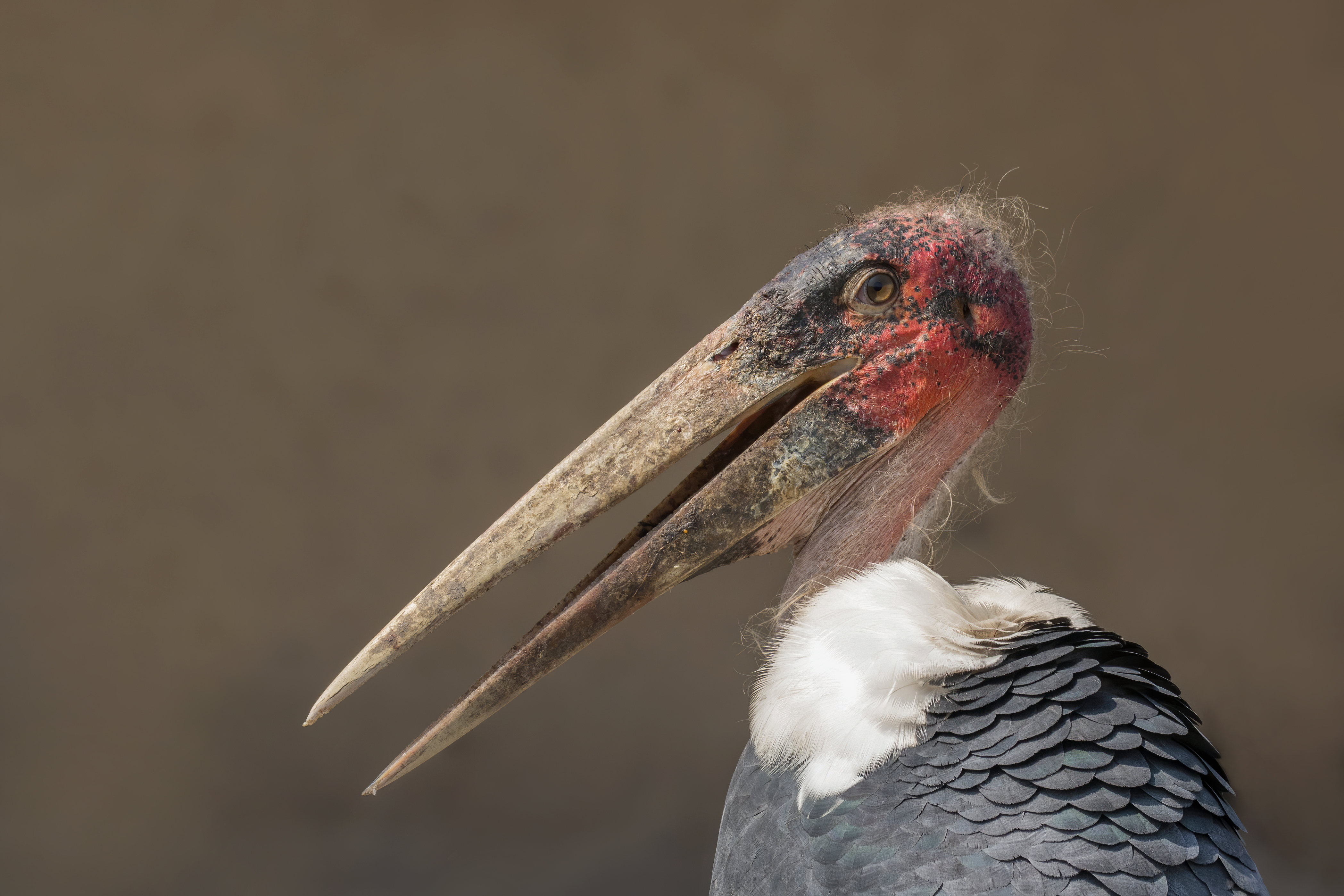
🪶Marabou Stork
Leptoptilos crumenifer
The undertaker bird that poops on its own legs for the air conditioning.
- CoolWingspan: Up to 3.2 m (10.5 ft)
- GrossLeg color source: Its own dried droppings
- GrossDiet: Carrion, garbage, flamingos, the odd shoe
- WeirdThroat: Dangling inflatable pink sac

🐉Blue Dragon Sea Slug (Blue Glaucus)
Glaucus atlanticus
Robs the Portuguese man o' war and wears its guns.
- CoolSize: About 3 cm (1.2 in)
- WeirdPosture: Floats upside down on a stomach gas bubble
- GrossWeapon: Stolen man o' war stingers, concentrated
- CoolSting: Worse than the thing it ate

🐟Pelican Eel (Gulper Eel)
Eurypharynx pelecanoides
A swimming mouth that keeps the rest of the fish on as a formality.
- WeirdMouth: Opens wider than its whole body
- WeirdEyes: About 2.6 mm across
- CoolTail tip: Glows pink, flashes red
- CoolHome depth: 500-3,000 m down
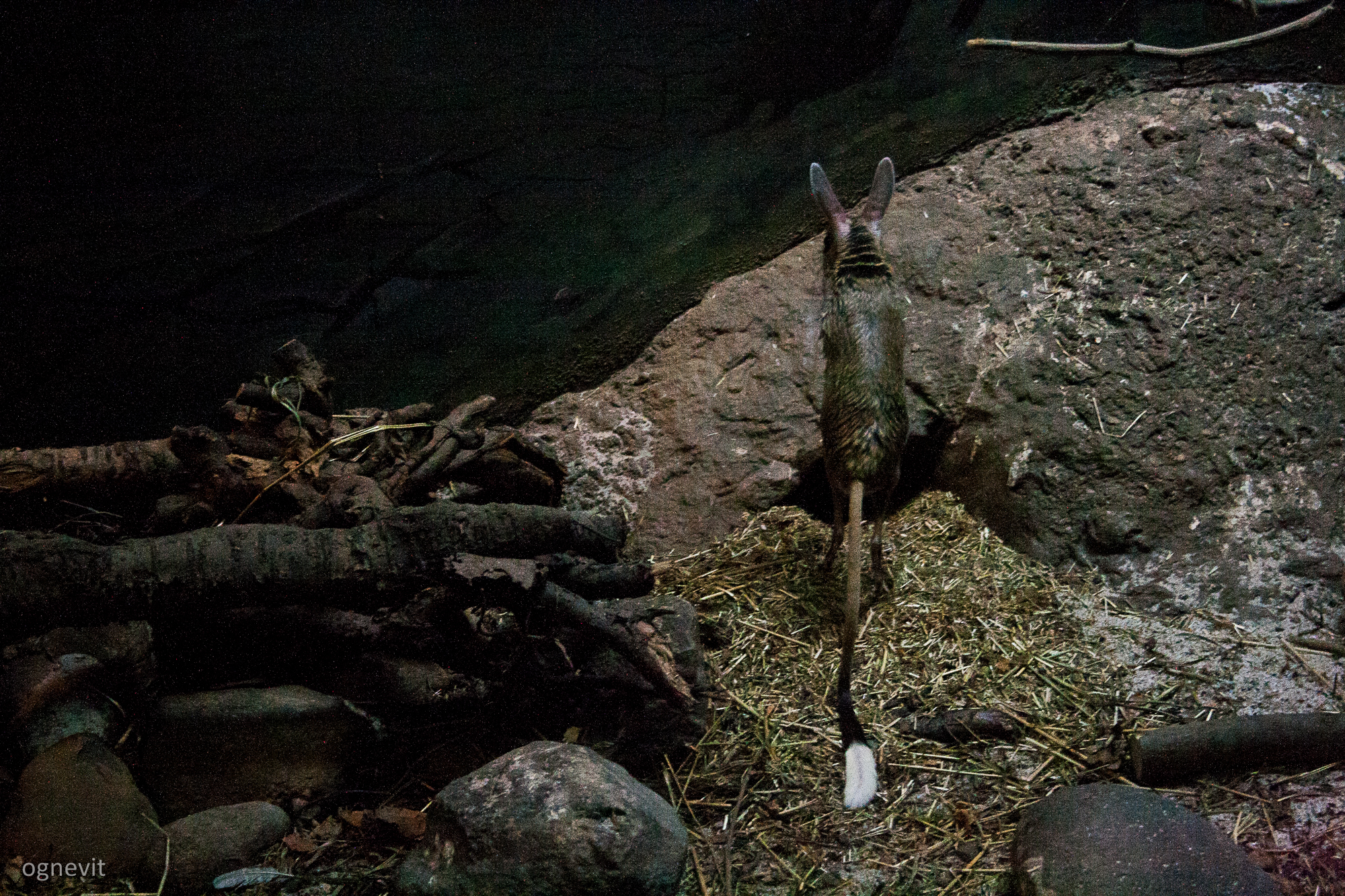
🐀Long-Eared Jerboa
Euchoreutes naso
A gerbil wearing satellite dishes.
- WeirdEars: About a third longer than its head
- CoolBody: 70-90 mm, 24-38 g
- WeirdTail: 150-162 mm with a tufted tip
- CoolMoves: Kangaroo hops after flying bugs
Every weekday I throw a fresh pile of unrelated animals into the arena, judge them on the only three metrics that matter - how **cool**, how **weird**, and how **gross** they are - and crown a winner. Then Saturday shows up and I make the winners fight each other, because I have no hobbies and an enormous quantity of opinions. This week handed me a murderer's row. A stork that treats a fresh carcass like a buffet and its own legs like a radiator. A deep-sea fish that is mostly mouth and barely bothers with the rest. A wasp that performs unlicensed neurosurgery. A sea slug the size of a grape that mugs the ocean's angriest balloon and keeps the weapons. And a rodent that is legally distinct from every other rodent and looks like a gerbil that ordered ears two sizes too big. Five champions. One crown. Let's ruin some reputations.
The bracket, briefly
Here are your five weekday winners, dragged back into the ring against their will:
- Marabou stork - the undertaker bird, in from the stork/isopod/thorny-devil/birdeater brawl.
- Pelican eel - the swimming mouth, in from the binturong/vinegaroon/pelican-eel/mata-mata card.
- Jewel wasp - the roach whisperer, in from the wasp/mudskipper/desman/potoo bout.
- Blue dragon sea slug - the tiny thief, in from the bobbit-worm/coconut-crab/blue-dragon/antechinus mess.
- Long-eared jerboa - the desert Dumbo, in from the shoebill/frogfish/velvet-ant/jerboa lineup.
One bird, one fish, one insect, one gastropod, one mammal. Five different classes of animal, all here for the same crown. I love this job.
Marabou stork: the guy who mistook a carcass for a salad bar
The marabou is nicknamed the undertaker bird, and honestly the nickname undersells it. It stands up to five feet tall, spreads wings that stretch up to about 3.2 meters (10.5 feet - roughly the wingspan of a small aircraft you would refuse to board), and it uses all that grandeur to shove a bald head into rotting meat.
Cool: that wingspan is one of the largest of any land bird, matched only by pelicans and condors.
Weird: the dangling pink throat sac. It is an inflatable-looking gular pouch used for courtship and cooling, and it hangs off the front of the bird like a deflated party balloon that has seen things.
Gross: two-part combo. One, the diet, which includes carrion, faeces, garbage, other birds, flamingos, and - per accounts of birds eating human refuse - shoes and pieces of metal. Two, the legs. Those chalky white legs are not white. They are the color of dried droppings, because the marabou practices urohidrosis: it defecates onto its own legs so the evaporating liquid cools it down. It built a natural swamp cooler out of its own waste. Respect, sort of.
Pelican eel: 90 percent mouth, 10 percent formality
The pelican eel, also called the gulper eel, is what happens when evolution commits fully to a single feature. The mouth is loosely hinged and can open wide enough to swallow prey larger than the eel itself, ballooning out like a pelican's pouch and then collapsing back down. In 2018 an E/V Nautilus ROV filmed one inflating like a black balloon a mile down, and the scientists on the mic audibly lost it.
Cool: the long whip-like tail ends in a light organ that glows pink and throws occasional red flashes - a built-in deep-sea lure at 500 to 3,000 meters down.
Weird: the eyes are tiny, one measured about 2.6 mm across, because when your entire personality is jaw, you do not budget much for eyeballs.
Gross: less gross than the stork, frankly, which is going to be a problem for it in a field this rank. It is menacing, not disgusting. Deduct points.
Jewel wasp: your brain is now a rental property
Here is the reigning nightmare of the week. The jewel wasp is a gorgeous metallic blue-green insect about 22 mm long, and it reproduces by turning a living cockroach into a compliant zombie. First it delivers a sting to the thorax that briefly and reversibly paralyzes the front legs. Then, with the roach held still, it makes a second, surgically precise sting directly into the brain, hitting the ganglia that control the escape reflex.
The roach does not die. It just stops wanting to leave. It grooms itself calmly, goes docile, and then - and this is the part that keeps me up at night - the wasp chews off part of its antennae, sips some of the leaking hemolymph like a juice box, and leads the still-living roach back to the burrow by the antenna stump, like a dog on a leash. It lays an egg on the roach. The larva burrows in and eats the roach alive from the inside over several days before emerging. You know what they say: never bring a mouth to a brain-surgery fight.
Cool: it is a literal jewel and it performs neurosurgery. Weird: the leash. Gross: the eating-alive-from-inside part clears the bar and then some.
Blue dragon sea slug: steals your guns, uses them better
The blue dragon is about 3 cm long, floats upside down at the ocean surface on a gas bubble it keeps in its stomach, and is countershaded so cleanly it is nearly invisible from above and below. It is also a mugger. It eats the Portuguese man o' war and other venomous siphonophores, and instead of being killed by the stinging cells, it harvests the most venomous ones, stores them in sacs at the tips of its finger-like cerata, and concentrates them. The end result: a grape-sized slug that can sting you worse than the man o' war it ate.
Cool: it is genuinely beautiful and it out-venoms its own prey. Weird: floating upside down on a burp. Gross: the weapon-theft is more metal than gross, which, again, in this company is a scoring liability.
Long-eared jerboa: the desert Dumbo
The long-eared jerboa is a tiny Gobi Desert rodent with a head-and-body length of just 70 to 90 mm and a weight of 24 to 38 grams - lighter than a golf ball. Onto that it bolts ears about a third longer than its own head, a tufted tail of 150 to 162 mm (roughly double its body), and big hind legs it uses to hop like a miniature kangaroo while catching flying insects in mid-air by sound. It is so evolutionarily unusual it is the only member of its genus and its subfamily, and the first-ever wild footage of it was not captured until a ZSL expedition filmed it in Mongolia in 2007.
Cool: kangaroo hops, sound-hunting, one-of-a-kind lineage. Weird: the ears, obviously. Gross: nothing. It is adorable. That is the whole problem for it here.
The scoring
Cool is a five-way tie; every one of these animals is cool. Weird is a genuine slugfest between the mouth-fish, the upside-down thief, and the satellite-dish rodent. But this is a three-category contest, and gross is where the field thins out fast. The jerboa and the blue dragon are too charming. The pelican eel is scary, not filthy. That leaves the corpse-eating radiator-legged stork and the wasp that eats a roach alive from the inside after leashing it home.
And the winner is...
🐝 Jewel Wasp (Emerald Cockroach Wasp)
Critter of the Week: the jewel wasp.
The marabou stork ran the closest race and owns the single grossest visual of the week - drinking cooling relief from its own droppings while eating a flamingo. But grossness alone is a one-note act, and the wasp swept all three of my categories in a way nothing else did. Cool: it is a walking gemstone that performs targeted brain surgery. Weird: it walks its victim home on a leash made of the victim's own antenna. Gross: the larva devours a living, un-anesthetized roach from the inside out over days. Any single one of those would be a strong entry. Doing all three, deliberately, as a reproductive strategy, is a clean sweep.
The blue dragon takes my heart for best out-of-nowhere heist. The pelican eel wins most-committed-to-a-bit. The jerboa wins cutest thing to ever share a bracket with a corpse stork. But the crown goes to the neurosurgeon in the emerald armor. Long may it reign, and may it stay very far away from my apartment.
You be the judge
Who is your pick?
Vote before you scroll on. No wrong answers (there is one wrong answer).
Questions you're too polite to ask
- Wait, how do you decide who won each weekday matchup in the first place?
- Vibes, evidence, and the three sacred metrics: cool, weird, and gross. I read the sources, I judge each animal on all three, and I crown the one with the highest combined chaos. Then on Saturday the weekday winners fight again for the weekly crown. It is a completely rigorous system that I made up.
- Is the jewel wasp actually turning cockroaches into zombies, or is that clickbait?
- It is real and it is documented in peer-reviewed neuroscience. The wasp stings the roach's brain to disable its escape reflex, so the roach stays alive and mobile but loses the drive to flee. The wasp then leads it by the antenna to a burrow and its larva eats the roach alive from inside. Researchers study it precisely because it is such a clean example of a parasite hijacking a host's nervous system.
- Does the marabou stork really poop on its own legs on purpose?
- Yes. It is called urohidrosis: the bird excretes onto its bare legs so the evaporating liquid cools it down, and the dried residue is what gives those legs their chalky white color. Several long-legged birds do it. The marabou just does it while also eating garbage, which is why it made the finals.
Taxonomy & tags
Where the facts came from
- Marabou stork - Wikipedia
- Urohidrosis as an overlooked cooling mechanism in long-legged birds - Scientific Reports (Nature Portfolio)
- Pelican eel - Wikipedia
- Watch a Gulper Eel Inflate and Deflate Itself, Shocking Scientists - National Geographic
- Gulper Eel Balloons Its Massive Jaws - Nautilus Live (Ocean Exploration Trust)
- Emerald cockroach wasp - Wikipedia
- Parasitoid wasp venom re-programs host behavior through downmodulation of brain central complex activity and motor output - Journal of Experimental Biology
- Glaucus atlanticus - Wikipedia
- Blue Glaucus - Oceana
- Long-eared jerboa - Wikipedia
- Euchoreutes naso (long-eared jerboa) - Animal Diversity Web (University of Michigan Museum of Zoology)
- Life on the EDGE in the Gobi Desert - EDGE of Existence / Zoological Society of London
The peanut gallery
0 comments