13 weeks ago · The daily matchup
Marabou Stork vs Giant Isopod vs Thorny Devil vs Goliath Birdeater: An Undertaker Bird That Pees on Its Own Legs, a Deep-Sea Roly-Poly That Skipped Food for 5 Years, a Lizard That Drinks Through Its Skin, and a Dinner-Plate Spider That Hisses
A bird that cools off by defecating on itself, a crustacean the size of a football that fasted longer than most gym memberships, a desert lizard that turns rain into a beverage, and a spider you can hear from across the room. One crown, four bad decisions by evolution.
By someone who loves to compare irrelevant things · 6 min read

🪶Marabou Stork
Leptoptilos crumenifer
The undertaker bird, here to eat your leftovers and cool off in the worst way imaginable.
- CoolWingspan: up to ~3.2 m
- GrossCooling method: poops on own legs (urohidrosis)
- GrossHead feathers: bald on purpose for carcass-diving
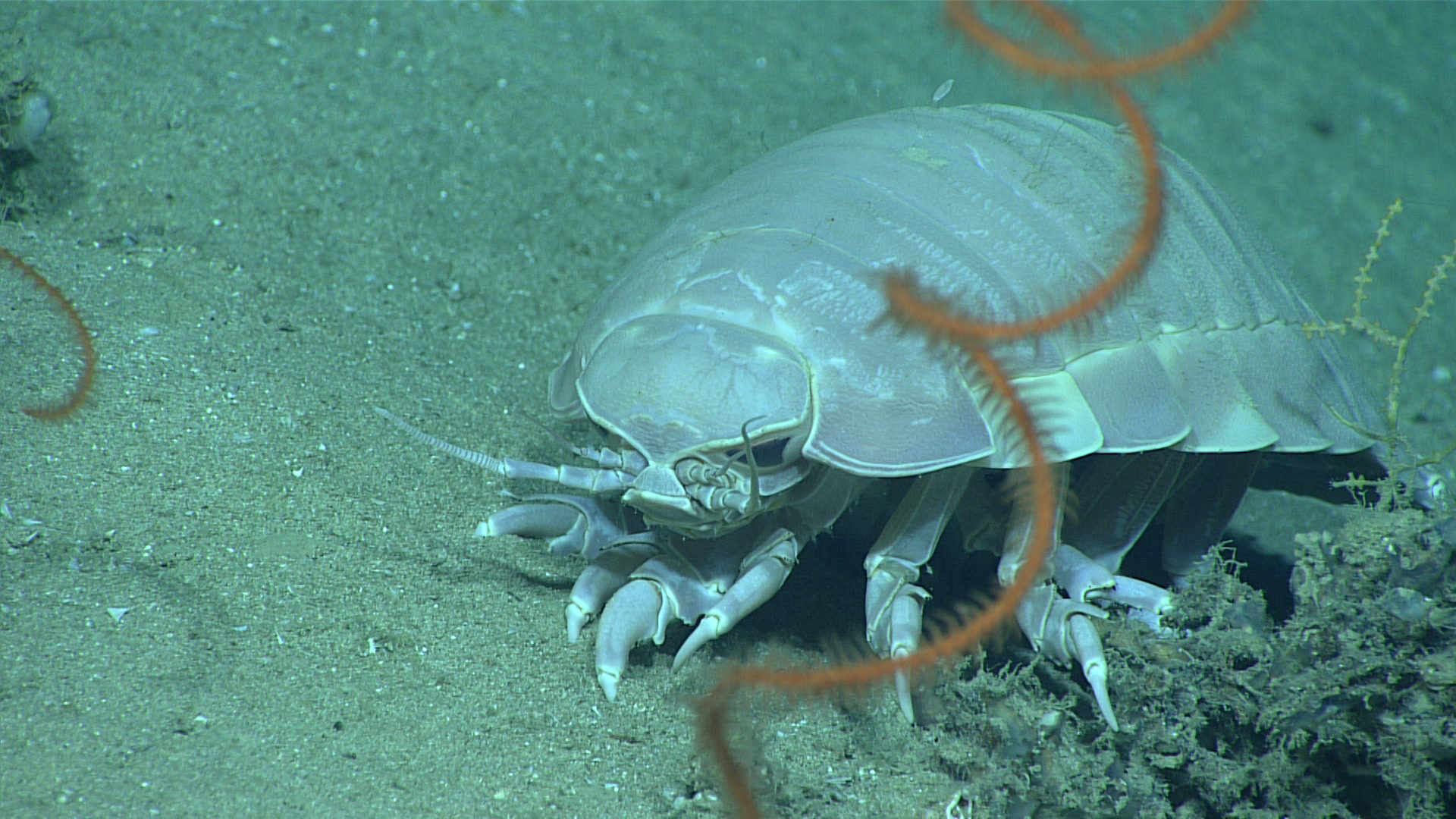
🦐Giant Isopod
Bathynomus giganteus
A garden pill bug scaled up to football size and left to eat corpses in the dark.
- WeirdLength: up to ~50 cm
- WeirdRecord fast: 5 years, 43 days no food
- GrossDiet: whale falls and dead squid

🦎Thorny Devil
Moloch horridus
A walking pincushion that drinks rain through its skin and wears a decoy head.
- CoolLength: up to ~20 cm
- CoolWater trick: capillary channels pipe water to mouth
- WeirdDefense: fake spiny head on its neck
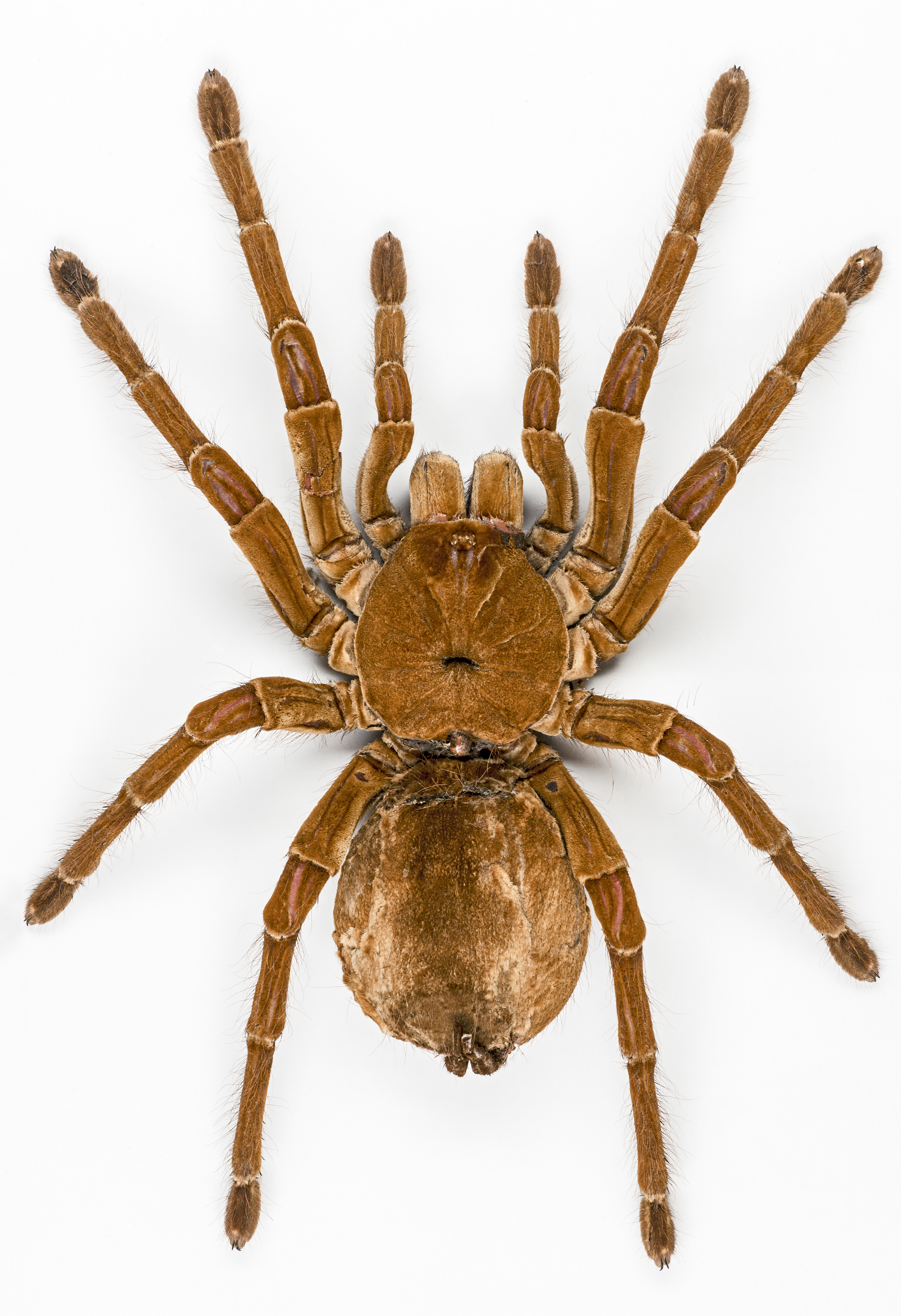
🕷️Goliath Birdeater
Theraphosa blondi
The heaviest spider alive, a dinner-plate tarantula that hisses and throws its own hair at you.
- CoolWeight: up to ~175 g
- CoolLeg span: up to ~28 cm
- GrossDefense: flings barbed hairs and hisses (stridulation)
I put four animals in a room that share absolutely nothing except the fact that looking at them makes me say "no thank you" out loud. We have a bird that dresses like it is here to read your will, a bug the size of a bread loaf that lives on the bottom of the ocean eating dead whales, a lizard covered in spikes that drinks water THROUGH ITS FEET, and a spider so big it has a body length measured in inches and a hiss you can hear from fifteen feet away. We judge on three things and three things only: how cool, how weird, and how gross. Everything else is noise. Let's ruin your afternoon.
The lineup, briefly, before you scroll away
A mammal-free zone today. Instead: a bird, a crustacean, a reptile, and an arachnid, none of which would survive a single day in each other's habitat, all of which would lose a fight to a house cat, and every one of them a genuine freak of nature. Let's break it down by the only metrics that matter.
Cool
The giant isopod wins cool on pure endurance. This is basically the pill bug from your garden, except it lives up to 2,000 meters down in cold black water, grows to around half a meter long, and can curl into an armored ball like a woodlouse the size of a rugby ball. It has barely changed in millions of years because evolution looked at it and said "yeah, that's finished."
The thorny devil is a close second, and honestly the most elegant freak here. It harvests water with its SKIN. Microscopic channels between its scales pull rainwater, dew, and moisture from damp sand by capillary action and pipe it straight to the corners of its mouth. It stands in a drizzle and drinks with its back. That is not a lizard, that is a plumbing diagram that eats ants.
Weird
This is where the giant isopod goes fully unhinged. One individual at the Toba Aquarium in Japan refused all food for 5 years and 43 days before it died in 2014. Five years. It just... declined the buffet, indefinitely. In the wild they gorge to enormous excess when a carcass drops, swelling up like a balloon, then coast on those reserves for who knows how long.
The thorny devil also has a fake head. There is a spiny knob on the back of its neck, and when threatened it tucks its real head down and presents the decoy so a predator bites the wrong end. It also walks with a jerky, rocking shuffle like it is buffering.
Gross
All rise for the marabou stork, the undertaker bird. It is one of the largest flying birds on Earth, with a wingspan credited up to around 3.2 meters, and it makes its living the way a vulture does: face-first in carrion and garbage. Its head and neck are bald specifically so they don't get caked while it roots around inside a carcass. And to cool off in the African heat it practices urohidrosis, which is the polite science word for "defecates down its own legs" so the liquid evaporates and drops its body temperature. It is functionally wearing a cooling suit made of its own waste.
Honorable gross mention to the goliath birdeater, the biggest spider on Earth by mass, weighing up to about 175 grams with a leg span up to 28 centimeters. When it gets annoyed it kicks a cloud of barbed hairs off its own abdomen at your eyes and airways, hairs considered some of the nastiest urticating hairs of any tarantula. And it hisses. It rubs bristles on its legs together to make a sound, called stridulation, audible from nearly five meters away. A spider that both throws needles and boos you.
So who actually wins
Every one of these is a champion of at least one category, which is a nightmare to judge, so I did what any responsible critic would do and picked the one that scored on all three.
And the winner is...
🦐 Giant Isopod
The giant isopod takes the crown because it is the only contestant that is cool, weird, AND gross without needing a tiebreaker. Cool: an armored, near-unchanged deep-sea tank that can ball up like a woodlouse the size of a football. Weird: it went 5 years and 43 days without eating and simply did not care. Gross: it feasts face-first on whale corpses and dead squid on the pitch-black sea floor and bloats itself like a water balloon. The marabou stork is grosser and the thorny devil is more elegant, but the isopod is the total package. A dead-whale-eating, five-year-fasting deep-sea trash compactor that looks like an alien parking clamp. Crown it.
You be the judge
Who is your pick?
Vote before you scroll on. No wrong answers (there is one wrong answer).
Questions you're too polite to ask
- Does the goliath birdeater actually eat birds?
- Barely ever. The name comes from an old engraving of one eating a hummingbird, but its diet is mostly earthworms, insects, frogs, and other small ground prey. It CAN take a bird or a mouse, but calling it a birdeater is like calling you a cakeeater because of that one wedding.
- Why does the marabou stork poop on its own legs?
- It is a legit cooling method called urohidrosis. The bird excretes liquid waste onto its bare legs, the liquid evaporates, and that carries heat away, dropping its body temperature in the African sun. Storks and vultures both do it. It is disgusting and it works, which is the theme of this entire post.
- How did the giant isopod survive 5 years without food?
- Deep-sea scavengers live in a world where food arrives rarely and huge (a whale corpse) or not at all for ages. They gorge enormously when they can and run on stored energy at a very slow metabolism. The famous Toba Aquarium individual, known as No. 1, refused food for 5 years and 43 days before dying in February 2014.
Taxonomy & tags
Where the facts came from
- Marabou stork - Wikipedia
- The Marabou Stork: 10 Facts About the Weird Undertaker Bird - Africa Freak
- Giant isopod - Wikipedia
- Meet the Giant Isopods - Smithsonian Ocean
- Cutaneous water collection by a moisture-harvesting lizard, the thorny devil (Moloch horridus) - Journal of Experimental Biology
- Thorny Devils - Bush Heritage Australia
- Goliath birdeater - Wikipedia
- Goliath birdeater facts - National Geographic
The peanut gallery
0 comments